Marcela
The 50 best Latin albums of 2025 according to The Rolling Stones
50. Blue Rojo, ‘CDMXXXXXXX’
 Mexico City has been portrayed in multiple cultural records, but in CDMXXXXXXXXXXXXX—thirteen X, according to its title—singer and producer Blue Rojo proposes a contemporary reading of the capital marked by accelerated gentrification. The project runs through sounds like the deconstructed reggaeton of “Chisme!” and the references to ballroom dancing in “Contramar” to explore an aesthetic of accessible glamor that still persists in the city. Throughout the album, the artist observes and satirizes certain sectors of the local creative scene, young people who oscillate between aspirational consumption and nostalgia for flea markets and reused objects, all sustained by a rhythmic base of clear influence on the language of fashion and the catwalk.
49. Estevie, ‘La Traición y el Contrabando’
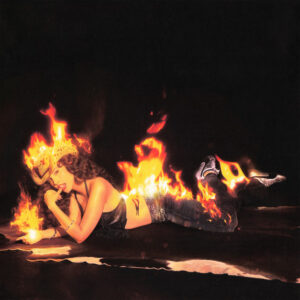 Named in allusion to the legendary corrido figure Camelia la Texana, La Traicion y el Contrabando consolidates Estevie’s proposal within a cross between cumbia and pop with experimental elements. The album opens with “La Eternidad”, a composition with a contained atmosphere that introduces the central themes of the project, linked to love and loss. The repertoire continues with cuts like “Esa Fui Yo”, with an introspective tone, and “Vamos Saber”, a Spanish adaptation of the classic “I Want to Know What Love Is” by Foreigner. Throughout the album, Estevie dialogues with contemporary references to heartbreak, such as Iván Cornejo, without abandoning a cumbiera sensibility that runs through the entire production and defines its sound.
48. Pink Pablo, ‘All I Dream’’

The Puerto Rican artist Pink Pablo has been characterized by building sound atmospheres with an introspective tone, in which melancholy and elements of fantasy coexist. In his album All I Dream, the musician expands these universes with a proposal that addresses anxieties, personal concerns and emotional reflections. Tracks like “Me QUEDO AKI”, in collaboration with Paopao, and “Horses in Heaven” demonstrate his ability to balance ethereal and contemplative passages with dark and urban reggaeton influences, a combination that defines the character of the project.
.
47. Mawiza, ‘Ül’

Through metal as an expressive vehicle of their heritage and the struggles of the Mapuche people, the Chilean band Mawiza delivered one of the most unique works of the year. Behind their highly emotionally charged vocal performances, the group articulates a base of death and groove metal enriched with traditional instruments and ancestral chants, elements present in songs such as “Pinhza Ñi Pewma” and “Mamüll Reke”. With ÜL, Mawiza confirms that metal can transcend language barriers and establish itself as a form of cultural and political expression within the genre.
46. Vicente Garcia, ‘Puñito de Yocahu’
 In a context in which more and more artists explore the traditions that have shaped the sounds of their countries, Vicente García’s work is distinguished by an organic and sustained connection with that legacy. For the Dominican singer-songwriter, this exploration does not respond to a recent trend, but rather has been a constant axis of his musical proposal. Throughout his career, he has managed to integrate references to the past with a contemporary sensibility, a dynamic that is maintained in his album Puñito de Yocahú. On the album, García covers genres such as reggaeton, bachata, pop and merengue, articulating a tribute to the Caribbean that places its cultural roots at the center of the sound narrative.
45. Fito Páez, ‘Novela’
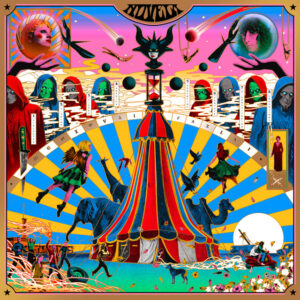 After a gestation process that spanned nearly four decades, Novela is presented as one of the most ambitious projects in Fito Páez’s career. Originally conceived in 1988, the work was taken up, reworked and finally completed last year during an intense creative period in Madrid. The album takes the form of an opera whose narrative is set in Santa Fe, the artist’s native province, and integrates elements such as a witchcraft university, a traveling circus and the decisive meeting between two teenagers. With a structure of 25 compositions, Novela is emerging as one of the most complex and unique pieces in Páez’s catalogue, destined to occupy a prominent place in his work.
44. Enyel C, ‘Nuevo Caribe’

In a context marked by the return of numerous artists to their cultural roots, Puerto Rican independent rapper and producer Enyel C proposes a unique reinterpretation of Caribbean tradition. Their second album, Nuevo Caribe, revisits the historical influences of ragga and dancehall in urban Latin music, with special emphasis on the Caribbean, to build dynamic fusions that are both recognizable and contemporary. Throughout the project, the artist articulates collaborations that reinforce this collective vision, inviting figures such as Diego Raposo and Letón Pé to join a sound journey that vindicates the regional legacy from a current perspective.
42. Feid, ‘Ferxxo Vol X: Sagrado’
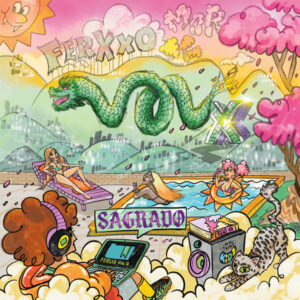 To celebrate a decade in the music industry, Feid took the biggest risk of his career. The Colombian artist produced, arranged and mixed his most experimental album to date, Ferxxo Vol Ferxxo’s most radical evolution was not only the most daring, but it also maintained the introspective, sentimental and playful essence that has distinguished him throughout his career.
On the occasion of his tenth anniversary in the music industry, Feid chose to redefine the limits of his artistic proposal. In Ferxxo Vol X: Sagrado, the Colombian artist takes on an integral role as producer, arranger and mixer, shaping his most experimental project to date. The album expands his well-known sentimental twerking by incorporating elements of R&B and hip-hop, present in songs such as “I MIXX U” and “DALLAX”, the latter in collaboration with Ty Dolla $ign. Far from diluting his identity, this transformation represents Ferxxo’s most risky evolution, one that preserves the introspection, emotional tone and sense of humor that have been constant throughout his career.
41. Adrian Quesada, ‘Boleros Psicodélicos II’
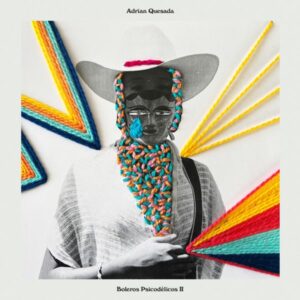
Adrián Quesada, recognized for his work in Black Pumas, delves into the aesthetics of the Latin American ballad of the seventies in the second installment of Boleros Psicodélicos. Raised in Texas, the musician and producer discovered early on the orchestral and baroque sound of emblematic groups such as Los Pasteles Verdes and Los Ángeles Negros, influences that run through this project. Like the 2022 edition, the album combines faithful versions of cult songs with original compositions that recreate a key stage in the history of Latin music, marked by the use of harpsichords and Beatle-inspired psychedelia. The album features the participation of guest artists such as Gepe, who performs “Te Vas Y Yo Te Dejo” by Joseles, and Ed Maverick, who provides an intense and atmospheric reading in “Afuera”, reinforcing the collaborative and contemporary nature of the proposal.
40. Titanic, ‘Hagen’
 Mabe Fratti has established herself as one of the most influential artists of the Latin American experimental scene, thanks to her precise sense of melody and constant sound exploration. These characteristics reach one of their highest points in Hagen, the album made with Titanic, his duo with Héctor Tosta (I. La Católica). The album covers different musical territories, ranging from the urban pop of “Lágrima Al Sol” to the drama of “La Dueña” and the expansive structure of “Te Tragaste El Chicle”, combining experimentation, alternative music and pop sensibility. With this release, Mabe Fratti reaffirms her relevance within experimental and alternative music in Spanish.
39. Joyce Santana, ‘Nada Personal’
 Joyce Santana’s lyrical ability has been a recognized constant throughout her career, and Nada Personal, her long-awaited album, presents her in one of the strongest moments of her career. The project covers different registers, from the frontal energy of “MJM” to the narrative introspection of songs like “El Gigante de Carolina” and “Rehab”, evidencing the versatility of the Puerto Rican rapper. Throughout the album, Joyce Santana articulates technique, content and artistic maturity, consolidating a work that functions as an integral sample of her creative reach within contemporary Latin hip-hop.
38. Weed420, ‘Amor de Encava’
 Amor de Encava, the album by the Venezuelan experimental collective weed420, takes as its axis the experience of displacement and the downtime of daily travel to build a sound portrait of contemporary Venezuela. Through collages of experimental music, the project captures the melancholy of a country in suspension, combining a rhythmic base inspired by salsa baúl with ambient noise of urban traffic. The album incorporates references to reggaeton, romantic ballads, and popular imagery—including memes and street advertisements—to articulate a commentary on the generational crisis, life in transit, and everyday resilience. With this release, weed420 positions itself as one of the most unique proposals in current Latin American experimental music.
37. Romeo Santos and Prince Royce, ‘Better Late Than Never’
 Better Late Than Never is the collaborative bachata album that unites Prince Royce and Romeo Santos, two of the most influential figures of the genre. Composed of 13 songs, the album explores romantic love from a tropical perspective, fusing traditional bachata with elements of Afrobeats, R&B and contemporary urban sounds. Throughout the project, Romeo Santos returns to his distinctive style of spoken narration, while songs like “Dardos” and “Jezebel” expand the sound spectrum towards R&B, and “Ay! San Miguel” incorporates references to the Dominican palo. Although Santos leads much of the creative direction, both artists co-write several songs, achieving a balance that highlights their voices and trajectories. The album functions as a celebration of modern bachata, cementing the meeting between the King and Prince of the genre.
36. Mengers, ‘Flavio’
 Considered precursors of the underground guitar scene in their country of origin, Mengers expands the limits of their proposal with Flavio, an album that not only marks a turning point in their career, but also suggests a possible new direction for the local alternative scene. In this work, the band incorporates analog electronics to its characteristic garage sound, giving rise to compositions that oscillate between the intense, the atmospheric and the distorted, often within the same song. Topics like “S.A.”, “INC.” and “Z” stand out for their ability to combine tension, experimentation and melodic sensitivity, consolidating Flavio as a key release within contemporary underground rock.
35. Javiera Electra, ‘Heliade’
 Helíade, Javiera Electra’s debut album, is situated at the convergence between Greek mythology and earthly emotional experience, fusing elements of Chilean folk with cosmic progressive rock. Throughout the album, the artist constructs a story crossed by love, grief and trans resilience, articulated through an ambitious and emotional sound proposal. Songs like “Del Campo a Mar” combine intimate farewells with bolero-inspired arrangements, while “Lágrima del Sol” incorporates Andean cumbia into an expansive register that functions as an anthem of affirmation and resistance. With this release, Javiera Electra presents a work that dialogues with the Latin American musical tradition from a contemporary and personal perspective.
34. Elena Rose, ‘Bendito Verano’
 Bendito Verano, the debut album by Venezuelan singer-songwriter Elena Rose, proposes an intimate and luminous sound experience, marked by calm, romance and emotional introspection. Throughout the album, the artist goes through the different stages of a love story, articulating a tone of poetic optimism that runs through songs like “Alelujah”, with an almost spiritual character, “Gangsta Love”, with Afrobeats influences, and “Luna de Miel”, with a tropical atmosphere. The project includes collaborations with Young Miko on “Gyoza” and Justin Quiles on “Cosita Linda”, one of the album’s standout songs. With Bendito Verano, Elena Rose is committed to gratitude and vulnerability as narrative axes, consolidating a debut that clearly defines her artistic identity within contemporary Latin pop.
33. Meme Del Real, ‘La Montaña Encendida’
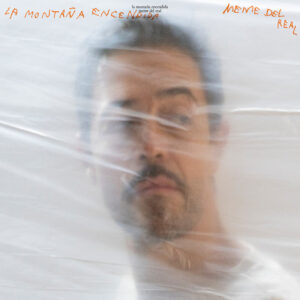 Most Café Tacvba fans already knew that keyboardist Meme del Real is the quartet’s most talented songwriter, but this first solo outing remains a revelation. After moving to the countryside outside Mexico City, del Real reevaluated a dormant folder of demos he had saved from Tacvba and decided to sculpt them into an album with the help of producer Gustavo Santaolalla. Lead single “Princesa” is an epic slice of 21st century prog, while “Tumbos” offers a smiling fusion of neo-bachata with synth-pop. We can only hope that more solo excursions will be made soon.
32. Juana Rozas, ‘Tanya’
 TANYA, the second album by Argentine singer Juana Rozas, conceptually addresses a young woman’s descent into madness through an intense and provocative sound narrative. The album combines influences from industrial rock and experimental pop, with references ranging from Nine Inch Nails to Charli XCX, to build a dark and visceral atmosphere. Throughout the album, Rozas articulates a sonic palette based on distortion, aggressive electronics and metallic textures. Songs like “ANTONIO” stand out for their raw portrait of a toxic relationship, while “TANYA LOCA” exposes the most vulnerable side of the central character. The project is completed with key collaborations, including Santiago Motorizado in “RIDÍCULO” and Chita in “BESITO A LAS FLORES”, which expand the narrative arc of the album and reinforce its emotional and poetic charge.
31. Clave Especial, ‘Mija No Te Asustes’
 In a context in which several Mexican artists chose to move away from traditional corridos, Clave Especial decided to reinforce the genre with a forceful proposal. Backed by The Street Mob, the group released Mija No Te Asustes, an album composed of 16 corridos that reaffirm the validity and scope of contemporary Mexican music. The album has key collaborations that boosted its impact, among them Fuerza Regida in the viral songs “Como Capo” and “No Pasa Nada”, Edgardo Núñez in “Tu Tu Tu”, with a toxic-romantic tone, and Luis R Conriquez in “No Son Doritos”. Through a combination of classical elements and modern approaches, the album directly connected with a young audience. With this launch, 2025 was consolidated as the most significant year in Clave Especial’s career, marking a starting point for its future projection.
30 María Becerra, ‘Quimera’
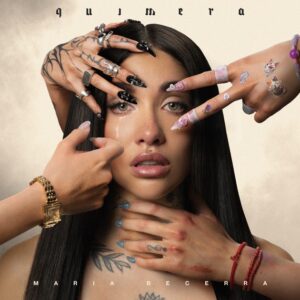
La Quimera is the most ambitious and narrative project of María Becerra’s career, a conceptual album that takes its name from the mythological creature to represent the multiplicity of identities that coexist in the artist. The album is structured around four alter egos—Jojo, Shanina, Maite and María herself—, each one associated with a different sound and emotional aesthetic, allowing for a multi-genre journey that encompasses Latin pop, Brazilian funk, urban ballads, cumbia and R&B..
On a musical level, the album stands out for its experimental approach within mainstream pop, combining danceable rhythms with introspective moments and personal narratives. Jojo’s character introduces explosive energy and funk rhythms, while Shanina concentrates the collaborations more oriented to commercial pop, with participation from Tini and Paulo Londra. For her part, Maite represents the darker and more emotional side of the project, with dense textures and songs like “Corazón Vacío.”
In the final stage of the album, María Becerra returns to cumbia – a key genre in her career – with the collaboration of the Argentine reference Karina in “Vuelves Triste”, and closes the album with more confessional songs, including a song with Jay Wheeler, in which she abandons the fiction of alter egos to tell an intimate story with her partner, Rei. With La Quimera, Becerra consolidates an album that not only expands his sonic spectrum, but also reinforces his identity as one of the most versatile figures of contemporary Latin pop.
29. Ben Carrillo, ‘Dreamer’

The debut project of Guatemalan artist Ben Carrillo is constructed as a personal testimony about migration, inspired by his experience leaving Guatemala and crossing the desert to the United States at the age of 15. The album functions as a story of growth marked by loss, uncertainty and the search for identity, but also by hope and perseverance in the face of adversity. Throughout the album, Carrillo translates these experiences into songs that address topics such as family separation, cultural roots, and the desire to belong.
Musically, the album is characterized by its eclectic approach, combining alternative rock, Latin pop and reggaeton, with arrangements that prioritize direct emotion and narrative. The singer’s harsh voice becomes one of the central elements of the project, especially in “PAPELES”, one of the most representative songs, where the demand for citizenship and legal recognition becomes a collective echo for millions of immigrants. Tracks like “CENTROAMERICANA” channel identity pride through energetic reggaeton, while “PRESIDENTE,” with its tropical pop sound, pays tribute to those forced to leave their place of origin behind to pursue a better future.
With this debut, Ben Carrillo positions himself as a new voice within contemporary Latin music, using his personal story as a starting point for a broader discourse on migration, resilience and community, and proposing an album that combines social awareness, sonic diversity and a defined artistic identity..
28. Ela Taubert, ‘Preguntas a las 11:11’
 After winning Best New Artist at the Latin Grammys, Ela Taubert took a decisive step in her career with the release of her debut album Questions a Las 11:11, a project that consolidates her identity within contemporary Latin pop. The Colombian singer constructs the album as an exercise in emotional confession, exploring themes such as emotional uncertainty, personal growth and the unanswered questions that accompany relationships in early adulthood. The title of the album refers to that symbolic moment of the day associated with desires and introspection, an idea that runs through both the lyrics and the general atmosphere of the project.
On a musical level, Questions at 11:11 is committed to melodic and accessible pop, with polished arrangements that prioritize emotional clarity and immediate impact. The album includes a revisited version of his hit “Como Pasó?”, in collaboration with Joe Jonas, which transforms the song into a more melancholic ballad and expands its international reach. Another highlight is “Es En Serio?”, a breakup anthem that features the participation of renowned producers and composers Max Martin and Rami, key figures of global pop, which reinforces the ambition and projection of the project.
Throughout the album, Taubert demonstrates a remarkable facility for constructing memorable hooks and immediate choruses, qualities that have been fundamental in his rapid rise. Without losing closeness or authenticity, the artist manages to balance vulnerability and pop solidity, connecting with a young audience that recognizes themselves in her emotional stories. With Questions at 11:11, Ela Taubert not only confirms the momentum generated after her recognition at the Latin Grammys, but also establishes the foundations for an emerging reign within Latin pop, making it clear that her artistic evolution is just beginning.
27. DannyLux, ‘Leyenda’
 As one of the main representatives of Generation Z in the transformation of contemporary Mexican music, DannyLux continues to expand the reach of the genre with Leyenda, the most ambitious project of his career to date. The Mexican-American singer-songwriter has established himself as a key figure within the movement that has brought corridos closer to a young and bicultural audience, incorporating influences from alternative pop, indie and emo sensibility without losing the link with tradition.
In Leyenda, DannyLux delves deeper into his artistic identity by intertwining his personal experiences with an introspective and melancholic sound narrative. The album reflects an evolution marked by more elaborate arrangements, careful production and lyrics that address love, vulnerability and personal growth. The title track of the album functions as a declaration of principles, while songs like “Sirena” stand out for their dreamlike atmosphere and their fusion between traditional corrido and alternative pop, reaffirming their avant-garde approach.
Although the album’s title can be interpreted as an early statement – especially considering that the artist was barely 21 years old at the time of its release – Leyenda stands as a decisive step in the construction of a work with long-term projection. With this album, DannyLux not only cements his place within the new wave of Mexican music, but also anticipates a lasting influence on the way younger generations relate to traditional sounds from a modern and emotional perspective.
26. Young Miko, ‘Do Not Disturb’
 After the impact of att., one of the standout albums of 2024 that consolidated her international projection—including her participation as the opening act on Billie Eilish’s tour—Young Miko continues her artistic evolution with Do Not Disturb (DND). In this new work, the Puerto Rican artist presents a more refined, confident and defined version of her proposal, reaffirming her status as a central figure of contemporary Latin pop and urban art.
Throughout the album, Miko demonstrates greater vocal control and notable ease in her performance, as evidenced in songs like “Wassup” and “Likey Likey,” where she alternates flows with naturalness and precision. The production, led by Mauro, accompanies this growth with a conceptual proposal that structures the album like a stay in a hotel, incorporating sound resources—service calls, elevator sounds and atmospheres—that reinforce the narrative cohesion of the project.
This creative approach not only brings identity to the album, but also underlines Do Not Disturb’s aesthetic ambition, which balances pop accessibility with subtle experimentation. The result is an album that represents clear progress on all fronts—compositional, interpretive and conceptual—and positions Young Miko in one of the most solid and promising moments of her career.
25. Neton Vega, ‘Delirium’
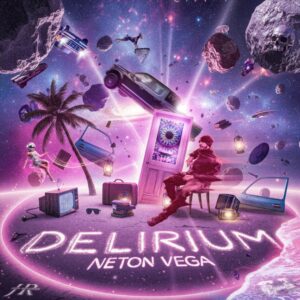 It is no coincidence that Benny Blanco has described Netón Vega as one of the best artists with whom he has shared a studio. That versatility is evident in Delirium, his second album and a proposal designed for the dance floor that comes after Mi Vida Mi Muerte, his Mexican music project launched at the beginning of the year. With this new work, Vega decisively expands his sound spectrum and reaffirms his ability to move between genres naturally.
In Delirium, the artist is fully committed to a fusion of reggaeton, rap, EDM and pop, partially moving away from corridos to explore more global and contemporary territories. His vocal performance, relaxed and without artifice, works as a common thread as he ventures out of his comfort zone and experiments with new rhythmic dynamics. Among the most notable moments is “Perro Fiel”, a collaboration with a more restrained tempo and pop vocation with Benny Blanco, which underlines his melodic capacity. The album closes with “Desvelaos”, a song that returns to its roots and balances the festive proposal of the album.
In a year in which numerous Mexican artists have chosen to distance themselves from traditional corridos, Netón Vega achieves one of the most solid and convincing transitions. Delirium not only expands his artistic identity, but also positions him as one of the most flexible and promising figures of new Mexican and urban music.
24. Joaquina, ‘Al romper la burbuja’
 After obtaining the 2023 Latin Grammy for Best New Artist, Joaquina has maintained sustained growth within pop and author songs in Spanish. That rise is consolidated with his second project, Al breaking the bubble, an album that received four nominations for the 2025 Latin Grammy Awards and that delves into a narrative marked by emotional rupture and personal introspection.
Throughout the album, the Venezuelan singer-songwriter addresses heartbreak from a direct and vulnerable lyricism, describing not only sadness and loss, but also the contradictions, impulses and uncomfortable thoughts that usually accompany a separation. This uncompromising honesty becomes one of the central axes of the project, allowing the songs to connect through authenticity rather than drama.
The precision of her writing—one of Joaquina’s most recognizable traits—gives the album a generationally transversal quality. Although she is only 20 years old, the artist faces pain and emotional fragility with a maturity that transcends age, making Breaking the Bubble relatable to listeners at different stages of life. With this work, Joaquina reaffirms her place as one of the most solid and sensitive voices of the new Latin American pop song.
23. Marilina Bertoldi, ‘Para quien trabajas Vol. I’
 There is an inherent naturalness in the way Marilina Bertoldi approaches rebellion, a trait that has defined her career within contemporary Argentine rock. In For Who Works Vol. I, the singer and composer deploys a series of direct and lucid observations about politics, social tensions and deeply personal emotions, articulated through incisive and uncompromising writing.
The album is based on a sound base of sharp guitars and new wave-influenced synthesizers, which reinforce both the urgency of the discourse and its rock identity. With a duration of approximately 30 minutes, the album is committed to concision and intensity, avoiding excesses and prioritizing narrative and musical forcefulness. The result is one of the most solid and interesting Latin rock works of the year, a short but powerful work that confirms Marilina Bertoldi as one of the most relevant and committed voices on the current scene.
22. Astropical, ‘Astropical’
 The collaboration between Li Saumet of Bomba Estéreo and Beto Montenegro of Rawayana gives rise to one of the most unexpected and effective proposals of the year. Astropical, the supergroup formed by members of both bands, builds a sound experience oriented towards Latin chill-out, combining groove, tropical warmth and a contemplative sensitivity. The project moves between light and agile rhythms, beach-spirited harmonies and nods to the champeta, creating a relaxed atmosphere that celebrates life, the body and the present.
One of the most notable moments is “FOGATA”, where the contrasting voices of Saumet and Montenegro naturally dialogue to reflect on the ephemerality of existence. This conscious look, far from subtracting energy, enhances the festive nature of the album and turns its long night sessions into lasting memories. With Astropical, both artists expand their creative universes and confirm that vocal and rhythmic alchemy can open new paths within Latin American tropical and alternative music.
21. Rauw Alejandro, ‘Cosa Nuestra: Capítulo 0’
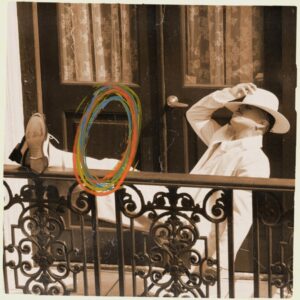 Cosa Nuestra: Chapter 0, by Rauw Alejandro, functions as a musical journey through the Caribbean and as a declaration of principles about his artistic influences. Throughout the album, the Puerto Rican singer traverses genres such as Cuban son, jazz, bachatón, reggae and bomb, articulating an explicit celebration of the islands’ musical lineage and its impact on contemporary Latin music.
On a lyrical and rhythmic level, Rauw maintains a versatile energy: he explores sensuality in songs like “GuabanSexxx”, he immerses himself in perreo in “Buenos Terms” and expands the global reach of the project with “Santa”, an Afrobeats-influenced collaboration with singer Ayra Starr. Although the album was conceived as a prequel to Cosa Nuestra, the project stands on its own as an ambitious and cohesive work, reaffirming Rauw Alejandro’s ability to connect Caribbean tradition and urban modernity in a single body of work.
20. Humbe, ‘DUEÑO DEL CIELO’
 With DUEÑO DEL CIELO, a double album of excessive ambition and strong emotional charge, Humbe puts an end to the sentimental trilogy that began with ESSENCE and continued with ARMAGEDDON. The singer-songwriter from Monterrey presents here a closing work marked by introspection, in which he emerges from the ashes of a failed love relationship without giving up the emotional honesty that has defined his career. Throughout the album, Humbe articulates a healing story that looks toward the spiritual and the earthly at the same time, finding refuge in nature, contemplation, and bonds that last.
On the sound level, DUEÑO DEL CIELO is distinguished by the use of broad and majestic orchestral arrangements that, far from imposing themselves, remain contained within the mix to give prominence to the artist’s voice. This decision reinforces the intimate nature of the album and underlines its confessional narrative. Songs like “VEGAS,” with its spectral tropical lounge atmosphere, and “FANTASMAS,” which incorporates ranchera cadences with an epic tone, function as stylistic detours that enrich the journey without breaking its cohesion. As a whole, the album establishes itself as a work as grand and emotionally expansive as Humbe conceived it, reaffirming his artistic maturity and his ability to close a cycle with conviction.
19. Mon Laferte, ‘Femme Fatale’
 Mon Laferte’s tenth album joins a career that seems not to know creative exhaustion, consolidating itself as another intense and emotionally devastating work within his discography. The album advances wrapped in an atmosphere of fog, gloom and melancholy, functioning almost like the soundtrack of a Latin noir film, where love, desire and betrayal intertwine without redemption. From its first bars, the project establishes a confessional and dramatic tone that refers to the bolero tradition, but reinterpreted with a contemporary and dark sensibility.
On a lyrical level, Laferte focuses these songs on the ferocity of desire, emotional vulnerability, and the wounds that romance leaves when it breaks. Her vocal performance sounds deliberately jagged, raw and liberated, as if each take captures the exact tremor of emotion. Musically, the album stands out for an elegant fusion between orchestral bolero, sexual frankness and a sound aesthetic that evokes the somber sophistication of Portishead, striking a balance between classical and alternative. Songs like “Las Flores Que Dejaste En La Mesa” synthesize this proposal: a piece full of erotic tension and romantic pain that reaffirms Laferte’s artistic magnetism. At 42 years old, the Chilean singer demonstrates once again that her talent is timeless, establishing herself as one of the most unique and powerful voices in contemporary Latin music.
18. Cazzu, ‘Latinaje’
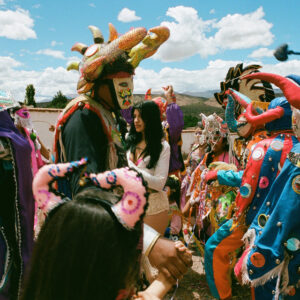 In a year in which the biggest stars of Latin American music looked to their roots to redefine their artistic identity, Cazzu found a remarkable point of balance with Latinaje, one of the most personal and conceptually solid albums of his career. The project combines confessional composition, direct references to her native Jujuy, in northern Argentina, and the global language of Latin trap and alternative pop that the artist has helped shape over the last decade. The result is an album that reaffirms his creative maturity without giving up his international reach.
Throughout Latinaje, Cazzu incorporates Andean instrumentation and folkloric structures that function as the emotional backbone of the album, especially on songs like “Copla” and “Me Tocó Perder,” where tradition intersects with an intimate and painfully honest narrative. At the same time, the artist expands her sound palette by integrating corridos tumbados in “Dolce” and cumbia in “Con Otra”, genres that she re-signifies with a contemporary and feminine look. These songs also act as veiled—and sometimes blatantly direct—comments on his recent romantic conflicts, told with the dramatic intensity of a modern soap opera. With Latinaje, Cazzu not only reaffirms his versatility, but also consolidates his place as one of the most influential and narrative voices in current Latin American urban music.
17. Karol G, ‘Tropicoqueta’
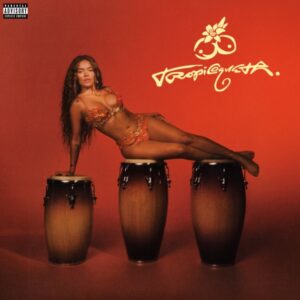 After achieving a level of global success reserved for very few, with sold-out stadium tours and historic records in Latin pop, Karol G chose to pause and look back at his origins. Instead of expanding her sound towards the bombastic, the Colombian artist decided to reconnect with the music that marked her childhood in Medellín: intense ballads from the eighties, vallenatos full of emotion and festive merengue that accompanied family celebrations and shaped her artistic sensibility.
From that introspective exercise, an album of 20 songs was born that functions as an emotional journey through different eras of Latin pop, assembled with a luminous and cohesive sound palette. The project prioritizes melody, closeness and emotion, betting on accessible songs that dialogue with both collective memory and the present. Far from looking for explosive formulas, Karol G builds here a carefree and honest work, where past and present coexist in harmony, confirming his ability to transform nostalgia into a contemporary and deeply identifiable pop language.
16. Buscabulla, ‘Se amaba así’
 Five years after the release of Regresa, the Puerto Rican duo Buscabulla returns with an album marked by introspection and vulnerability. During that time, Raquel Berríos and Luis Alfredo Del Valle went through one of the most complex periods of their career and personal relationship, testing a creative partnership built over more than a decade. Far from avoiding the conflict, they decided to transfer those tensions, doubts and reconciliations directly to their music.
The result is Se Amaba Así, an album that immediately stands as the duo’s most intimate and confessional work to date. Through an honest and emotionally exposed narrative, the album portrays the process of wear, breakup and reconstruction of a relationship, offering a delicate and empathetic look at two people seeking to heal without losing their artistic identity. Buscabulla transforms fragility into strength and confirms that his best music emerges when the emotional risk is total.
15. Ela Minus, ‘Día’
 Bringing politics to the dance floor has been a constant in Ela Minus’ career, but on her second full-length album, DÍA, the Colombian singer and producer refines that approach with a more introspective and nuanced look. If in previous works his minimalist electronics functioned as a channel for direct protest, here Minus turns social tension into an internal conflict, exploring how collective collapses affect emotional health, identity, and individual resilience.
Musically, DÍA relies on austere and nervous electronics, built from analog synthesizers and insistent rhythms that reinforce a constant sense of urgency. Songs like “QQQQ” encapsulate generational fatigue in the face of a system that seems irreversible, functioning as a repetitive and abrasive cry that demands an end point. For its part, “IDOLS” articulates a sharp critique of the culture of idolatry and empty leadership, questioning blind faith in figures who promise redemption without offering substance.
However, DÍA does not rely solely on the complaint. Throughout the album, Minus makes space for vulnerability and self-preservation as political acts in themselves. “UPWARDS” stands as the emotional heart of the record, with its insistent mantra—“I would love to save you, but first I have to save myself”—functioning as a declaration of limits and an affirmation of survival. In this balance between confrontation and personal care, DÍA is revealed as a mature work, where clarity does not come through easy answers, but through the acceptance of uncertainty and the search for hope in the midst of noise.
14. Kevin Kaarl, ‘Ultra sodade’

Kevin Kaarl confirms once again that he only needs his acoustic guitar and his voice full of nostalgia to build deeply intimate emotional universes. In Ultra Sodade, released on February 14, 2025, the Chihuahuan singer-songwriter immerses himself in the process after a breakup, exploring that ambiguous space where the desire to flee and the need to look at each other honestly coexist.
The album takes its title from the concept of sodade, immortalized by Cesária Évora, and that spirit runs through the entire project: a serene, resigned melancholy, which does not seek to dramatize pain but to understand it. On the title track, Kaarl joins forces with Nsqk to deliver one of the album’s most emotional moments, a delicate dialogue between voices that amplifies the feeling of loss and longing. Songs like “No Me Culpes Por Sentir” stand out for their effective simplicity, supported by minimalist acoustic arrangements that allow each word to breathe and hit with greater force.
Ultra Sodade is presented as one of Kevin Kaarl’s most contained and reflective works, reaffirming his ability to transform universal emotions into close and honest songs. Far from unnecessary decorations, the album finds its greatest strength in vulnerability, consolidating the artist as one of the most sensitive voices of the new Latin American song.
13. Nidia Góngora, ‘Pacífico Maravilla’
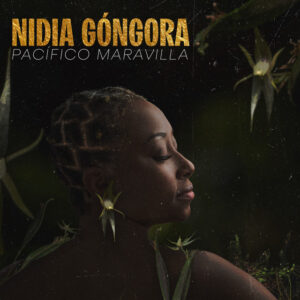 After her time in fundamental projects of Colombian music such as Ondatrópica and Canalón de Timbiquí, the renowned singer Nidia Góngora assumes a leading role with Pacífico Maravilla, an album that functions as a deep immersion in the sound, spiritual and community memory of the Colombian Pacific coast. Far from a simple folklore compilation, the album is presented as an act of cultural preservation and identity affirmation.
Throughout the album, Góngora guides the listener through a landscape of organic rhythms, ancestral songs and stories passed down from generation to generation. The traditional lullabies of “En los Manglares” evoke rituals of care and communion, while the vibrant rumba of “Mi Sábalo” celebrates everyday life and the intimate relationship with the natural environment. In “Insistencia,” playful marimbas serve as the framework for a powerful poem recited by Costa Rican anthropologist and poet Shirley Campbell Barr, reinforcing the message of resistance, dignity, and Afro-descendant pride.
Pacífico Maravilla elevates the music of the Pacific from the roots to the present, combining joy, memory and struggle without forced solemnity. With this project, Nidia Góngora not only reaffirms her place as one of the most important voices of living Colombian folklore, but also articulates a narrative where black resistance is expressed with joy, collective strength and a vitality that is impossible to stop.
12. iLe, ‘Cómo las canto yo’

Since she was a teenager in Puerto Rico, iLe (Ileana Cabra) developed a deep fascination with the bolero, a musical genre that accompanied her while she processed her parents’ painful divorce. This obsession with melancholic melodies and their changing emotional universes were fundamental to the artistic growth of the former Calle 13 vocalist. Over the years, iLe has evolved to become one of the most influential creators of contemporary Latin, and now, with her latest project, she pays tribute to the golden age of the bolero.
Unlike more traditional boleros, which are often accompanied by lush orchestrations, iLe opts for more minimalist instrumentation on this work, choosing subtle percussion and prickly electric guitars that highlight his voice with palpable intimacy. This rawer and more austere approach allows the emotions and vulnerability of the lyrics to be expressed more directly. The influence of legends of the genre such as Héctor Lavoe, Tito Rodríguez and La Lupe is felt throughout the album, from the cynicism of urban life to the deep and desperate pain of the love lyrics.
The album not only captures the essence of these bolero icons, but also conveys iLe’s unique ability to fuse traditions with a modern sensibility, striking a balance between nostalgia and contemporaneity. Recorded during a break from her fourth album of original songs, this project is a crucial detour in her career, showing a more introspective and mature side of the artist, who also distances herself from grand arrangements and focuses on a more organic and emotionally close sound.
This work is not only a tribute to the classic bolero, but also a personal exploration of iLe’s experiences, reflecting her own evolution as an artist and woman. Each song is an emotional journey, in which the influence of the past is intertwined with the vision of the future of an artist who has managed to remain faithful to her roots while constantly reinventing herself. The result is an album that, in addition to paying homage to one of the most golden eras of Latin music, feels completely contemporary and filled with a unique emotional authenticity.
11. Natalia Lafourcade, ‘Cancionera’
 Determined to reinvent herself from stillness, Natalia Lafourcade found refuge in the archetype of the songbook singer: a performer who trusts in the naked force of melody, words and silence. The result is the most serene and refined album of his career, a work that consciously distances itself from the excesses of production and the urgency of the market to embrace an intimate, almost contemplative aesthetic.
Produced and recorded live by Adán Jodorowsky, the album is constructed like a chamber session where each note has weight and purpose. Lafourcade presents a collection of original compositions that privilege expressive purity over artifice, leaning toward subtle arrangements, delicate strings, and organic dynamics that evoke the closeness of a private recital. Here, the emotion arises not from rhythm or bombast, but from tenderness, breathing and vulnerability.
That philosophy is clearly manifested in “Cocos En La Playa”, a gem with a retro spirit where the singer appears without makeup or pretensions, floating between lunar images, emotional abandon and an almost hippie freedom, leaving behind both sentimental baggage and the noise of social networks. In “Como Quisiera Quererte,” his duet with El David Aguilar, Lafourcade explores the intimacy of unrequited desire with a bohemian frankness reminiscent of a late-night conversation between friends, accompanied only by guitars and knowing glances.
This album does not seek to shock immediately or compete for attention: it invites you to listen slowly. In her containment and warmth, Natalia Lafourcade reaffirms her artistic maturity and demonstrates that reinvention does not always imply going further, but rather knowing how to return to what is essential.
10. Juana Aguirre, ‘Anónimo’
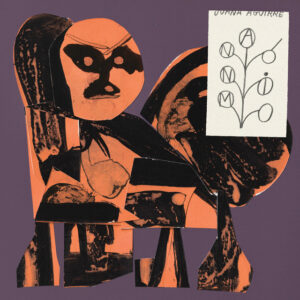 A disturbing duality runs through Anónimo, the second studio album by Argentine singer-songwriter Juana Aguirre, consolidating her as one of the most original voices in contemporary Latin American music. The album moves between innocence and sensuality, using its ingenious instrumentation to create atmospheres that seem to float between the familiar and the supernatural. In songs like “the mornings,” deliberately out-of-tune wind instruments evoke the purity and curiosity of childhood, while in “the night” the sensual and enveloping percussion awakens a carnal and mysterious intensity.
Anonymous is much more than a simple exercise in contrast: it is a fascinating electroacoustic work, where Aguirre’s production and arrangements reinforce the sensation of a dreamlike, almost intangible world. His lyrics, loaded with introspective poetry, reveal a mosaic of complex emotions: broken hugs, persistent ghosts and never confessed secrets. Aguirre exposes his transgressions and vulnerabilities bluntly, building a musical space in which there are no corners to hide, inviting the listener to immerse themselves in each emotional passage.
With Anónimo, Juana Aguirre not only confirms her ability to fuse the acoustic with the electronic experimentally, but also establishes her own universe where introspection and mystery converge. Each song is a journey through layers of emotion, sound textures and poetic narrative, consolidating the album as one of the most impressive and captivating works of the recent Argentine scene.
9. Rusowsky, ‘Daisy’
 Rusowsky has established himself as one of the most original and fun experimenters on the Spanish music scene, and a key player in the Russia ID collective in Madrid, famous for his irreverent humor and playful approach to music, full of unexpected highs and sonic antics. But beyond the irreverence, there is a solid core to his work: a conservatory-trained pianist who combines classical technique with an anarchic impulse, ready to explore every corner of his creativity.
Their debut album, Daisy, is a clear example of this duality between precision and freedom. Each song displays a different universe: in “Altagama” a lively sentimentality emerges that mixes nostalgia and energy; “Sophia” leans toward bright, infectious retro pop; while in “Johnny Glamour”, with a dreamy nostalgic wink, Rusowsky even incorporates a fragment of The Ketchups, demonstrating his ability to play with cultural references while constructing his own language.
Daisy is not just a debut, but a declaration of intentions: Rusowsky combines piano virtuosity, sonic curiosity and eccentric humor to redefine the limits of experimental pop in Spain. The album invites listeners to let themselves be carried away by their imagination, offering them a journey between technique, fun and the artistic sensitivity that defines the artist.
8. Guitarricadelafuente, ‘Spanish Leather’
 The most recent work by Álvaro Lafuente Calvo, known artistically as Guitarricadelafuente, represents his most ambitious work to date. On this album, the 28-year-old Spaniard moves away from the traditional sounds and acoustic influences that defined his previous works, exploring new directions with catchy pop hooks and textures inspired by dance music, without losing the sensitivity that characterizes his style. Among these experiments, piano ballads like “Puerta del Sol” shine, showing his ability to combine emotion and innovation with delicacy.
“It’s about leaving the town behind and heading to the city to discover new things, to discover yourself,” Guitarricadelafuente told Rolling Stone earlier this year, underscoring the concept of personal growth and exploration that runs through the entire album. This search for identity is reflected in the production, which balances modernity with the authenticity of his voice and his compositional sensitivity.
The result is an exciting and adventurous album, which not only confirms Guitarricadelafuente as one of the most promising voices in contemporary Spanish pop, but also marks a decisive step in his artistic evolution. With each song, he invites the listener to accompany him on a journey of introspection and discovery, consolidating his ability to fuse acoustic roots with urban and electronic sounds in a natural and enveloping way.
7. Juana Molina, ‘Doga’

Juana Molina has established herself as one of the most fascinating and enigmatic artists of contemporary Latin American music, capable of constructing soundscapes that combine the dreamlike with the hypnotic. Their music gives the sensation of passing through an enchanted forest, where each note and each instrumental texture invite the listener to lose themselves in a state of deep trance, exploring emotions and atmospheres that challenge the traditional logic of pop and folk.
After a period of eight years without releasing new material, Molina returns with DOGA, an album that encapsulates a period of expansive creativity spanning from 2019 to 2024. Each track on this album develops as a self-contained universe: haunting sounds and textures that are not afraid to disturb or challenge the listener, creating a constant feeling of mystery and wonder. From layers of ethereal synths to minimal percussion and floating guitar lines, DOGA achieves a synthesis of experimentation and melodic sensibility that feels as intimate as it is immersive.
The album works as an uninterrupted sound journey, where the supernatural and the everyday intertwine naturally. Each song offers its own microcosm, inviting the listener to repeatedly immerse themselves in the experience, discovering new nuances and details with each listen. With DOGA, Juana Molina reaffirms her status as a master of Latin American experimental pop, combining innovation, introspection and absolute control over her sound universe, consolidating a legacy that remains unique and deeply captivating.
6. Mula, ‘Eterna’
 After a decade of kaleidoscopic fusions and sonic experimentation, Mula returns with her fourth studio album, ETERNA, a project that amplifies her sexy, pan-Caribbean palettes with bursts of darkwave and bold electropop. Far from limiting themselves to their futuristic reputation, the Dominican trio builds an album designed for perreo, partying and sensory intensity, demonstrating their ability to combine urban rhythms with avant-garde electronic influences.
The album shines for its strategic collaborations with some of the most recognized voices in contemporary Latin pop and rock. In “Acelero”, Javiera Mena, the Chilean queen of synthpop, brings her seductive signature to experimental merengue, while in “Grandes Escobas”, the iconic Jessy Bulbo prints incisive riffs and powerful howls, celebrating the brotherhood of witches and feminine energy. The connection with the urban scene is reinforced in “Sin Permiso”, with Letón Pé, a diabolical perreo anthem that mixes trap and electronic cumbia, and in the vibrant “Popsy 404”, Mula evokes the spirit of Alice DJ in a burst of electropop bacchanal.
ETERNA is an album that moves naturally between genres and generations, from experimental merengue and synthpop, to darkwave, electropop and the most extreme perreo, consolidating Mula as one of the most innovative and provocative groups in current Latin music. Each track combines energy, sensuality and a bold aesthetic vision, offering a sound experience that invites you to get lost in its carefully constructed rhythms, melodies and textures.
5. Milo J, ‘La vida era más corta’

Milo J was barely 18 years old when he released his surprising third album, a work that is presented as a syncretic love letter to Argentine culture. The album masterfully interweaves folklore, trap and tango, creating a panoramic journey that reflects the musical richness and diversity of the country, all framed by the contained and mature gravity of his voice.
The avant-garde production is complemented by a gallery of luxury collaborators who provide depth and sophistication: from the trova icon Silvio Rodríguez and the queen of the folk revival Soledad, to the emerging rapper Trueno, and even a delicate tribute to the legendary Mercedes Sosa. Each contribution adds texture and dimension to the album, without overshadowing the central vision: Milo J’s luminous poetry and artistic sensibility remains the common thread of the entire work.
This project not only confirms Milo J’s musical and lyrical maturity at a young age, but also demonstrates his ability to fuse traditional and contemporary genres in an organic and emotional way. Each song is a testimony of Argentine cultural wealth, reinterpreted with freshness and creativity, making this third album a milestone in his career and a benchmark for the country’s new young sound.
4. Fuerza Regida, ‘111xPantia’
 111Xpantia by Fuerza Regida feels like a manifesto for the band’s next chapter, without losing the essence that made them references in corridos and contemporary Mexican music. The album represents a return home to their classic sound, consolidating the identity they built, but without remaining stagnant: rather than reinventing their style completely, the musicians elevate and refine what was already working, striking a balance between tradition and freshness.
As JOP told Rolling Stone, “We’re trying to stick to the roots, but elevate that shit,” a phrase that perfectly sums up the album’s philosophy. Songs like “Por Those Ojos” and “Tu Sancho” not only won over old-school fans, but also caught the attention of a new generation of listeners, expanding their influence beyond the usual corrido audience.
With 111Xpantia, Fuerza Regida reaffirms its position as one of the most important bands on the Mexican and Mexican-American scene, demonstrating that they can honor their roots while setting trends within the genre. This album not only solidifies their legacy, but also sets a standard for modern corridos, cementing the band as true stars of regional Mexican music.
3. Silvana Estrada, ‘Vendrán Suaves Lluvias’

For her second album, Mexican singer-songwriter Silvana Estrada, 28, delves into the formal beauty of her melodies, offering a work that combines lyrical sensitivity and exquisite production. To bring his vision to life, Estrada collaborated with Owen Pallett, known for his arrangements for Arcade Fire, who provides delicate orchestrations of winds and strings that elevate each song, transforming the album into a sonic experience of extraordinary tenderness and sophistication.
The project evokes the tradition of Latin American trova, recalling giants such as Silvio Rodríguez and Mercedes Sosa, but with a contemporary approach that mixes folk, jazz and touches of elegant pop. Tracks like “Un Rayo De Luz” show his ability to bravely explore existential analyses, while “Como Un Pájaro” dazzles with a fairytale whistle and “Dime” envelops the listener in melancholic contours that reveal his deep artistic sensibility.
On this album, Estrada manages to fuse the earthy grit of a folk rebel with the glamorous luminosity of a jazz diva, establishing herself as one of the most original and captivating voices in contemporary Latin music. Each song is a testament to his artistic maturity, his mastery of musical narrative, and his ability to create intimate and emotionally resonant sound universes.
2. Rosalía, ‘Lux’
 Rosalía has established herself as one of the most provocative and visionary figures in contemporary pop, and her latest album, Lux, reaffirms her status as an agent of musical chaos. The project is unlike anything currently existing in music: it combines irreverence, sophistication and risk, creating a sound that defies genres and expectations. Rosalía takes inspiration from the great classics—Mozart and Bach—but reinterprets them with a subversive energy and a modern approach, generating a creative clash that keeps the listener alert on each track.
Lux’s success lies in the fact that each song is deeply thought out and emotionally felt, exploring existential questions and universal emotions. Rosalía faces pain and loss, anger and grief, as well as sex, desire, love and adoration, all while trying to better understand her own identity, her ways of loving, and the spiritual forces that guide her. The album’s themes become introspective and sensory journeys, in which the listener is swept away by its bold lyricism, its innovative arrangements and its ability to fuse tradition and avant-garde.
With Lux, Rosalía not only redefines contemporary pop, but also sets a new standard for creativity and artistic audacity, establishing herself as one of the most influential and experimental voices in Latin music today. Each listen is a unique, provocative and emotionally intense experience, reaffirming her position as a visionary who challenges the limits of musical art.
1. Bad Bunny, ‘DeBÍ TiRAR MáS FOToS’
 On his sixth studio album, Debí Tirar Más Fotos, Bad Bunny takes listeners on a triumphant return to his Puerto Rican roots with 17 songs that traverse Puerto Rico’s rich kaleidoscope of musical genres. This homegrown, fresh, and joyful project captures the best moments from Un Verano Sin Ti and expands the boundaries of Benito’s experimental sound, incorporating elements of folk music, Puerto Rican salsa, reggaeton, and urban rhythms, creating a sound experience that is both intimate and global.
Despite its hyper-specific cultural focus, or perhaps because of it, Debí Tirar Más Fotos became a global phenomenon in 2025, echoing through the streets of San Juan, New York, Miami and beyond, cementing Bad Bunny’s position as a cultural and musical icon of his generation. The album marked a historic year for the artist: he became the first star to present a residency at El Choli in Puerto Rico and announced the No Quiero Ir De Aqui world tour, which will include the 2026 Super Bowl halftime show and positions him as a favorite for six Grammy nominations.
Beyond the numbers, the impact of Debí Tirar Más Fotos is a testament to the power of Puerto Rican pride and the visionary talent of Bad Bunny, who continues to redefine the boundaries of contemporary Latin music. Each track is a reflection of his unwavering creativity, his stylistic versatility, and his ability to connect with global audiences while honoring his cultural heritage. The album not only cements his musical dominance in 2025, but also marks the path toward his lasting legacy within Latin music history.