Marcela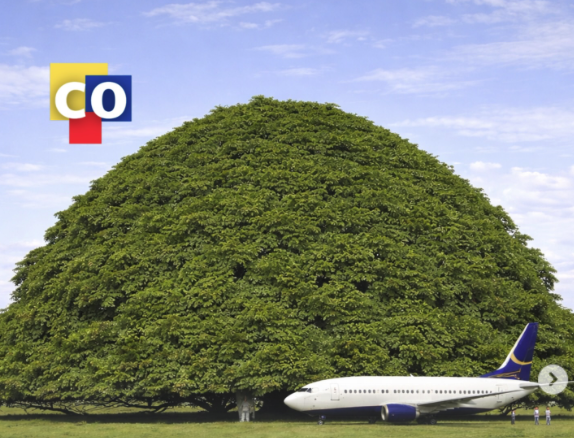
Colombia is home to the world’s widest tree
In Colombian soil stands, or rather, spreads one of the most impressive trees in the Americas and the world. It is a Ficus insipida, a species native to tropical regions, which has reached extraordinary dimensions and is now recognized as one of the trees with the widest canopy on the planet.
The characteristic that makes it truly exceptional is not its height, but its enormous canopy diameter, which ranges between 75 and 85 meters. This measurement corresponds to the total distance covered by its foliage from one end to the other, projecting a monumental shadow roughly equivalent to the width of a professional soccer field. Dozens of people could gather under its canopy without being exposed to the sun, a tangible reminder of the power and generosity of nature.
🌿 A natural colossus, not a forest
Unlike other trees famous for their size, such as Asian banyan trees that spread thanks to aerial roots, the San Marcos tree maintains a natural and clean structure: a single trunk supports this entire expanse of branches and leaves. This makes it an exceptional case within the plant world and positions it as the widest tree in the Americas and the third widest in the world, a fact that elevates its ecological and symbolic value on a global scale.
🌎 Ecological and Cultural Importance
The Ficus insipida plays a key role in the ecosystem. Its fruits feed birds, bats, and other species, while its shade regulates the surrounding temperature and creates microhabitats where life thrives. Trees of this type act as true refuges for biodiversity, especially in areas where vegetation cover has decreased over time.
For the local community, this tree is not just a botanical rarity: it is a symbol of identity, memory, and belonging. It has been a silent witness to entire generations, to the growth of the municipality, and to the transformation of the landscape, establishing itself as a natural heritage that deserves to be protected and promoted.